
Responsible Safari Practice
Safari tourism has become one of the most remarkable ways to experience Africa’s incredible wildlife, landscapes, and cultures. However, as more travelers seek unforgettable adventures, the importance of responsible safari practices continues to grow. Modern travelers are not only interested in seeing lions, elephants, gorillas, and rare bird species but also want to ensure their journeys contribute positively to wildlife conservation, habitat protection, and the wellbeing of local communities.
At Amakula African Safaris, we believe that every safari should create meaningful connections between travelers, nature, and people. Whether you are planning Responsible Kenya Wildlife Safaris, Tanzania Wildlife Safaris, or Uganda Gorilla Trekking Safaris, practicing responsible tourism helps protect Africa’s ecosystems while creating authentic and sustainable wildlife experiences.
Responsible safari practices involve respecting wildlife, following park regulations, reducing environmental impact, supporting conservation projects, and engaging respectfully with local communities. Through sustainable safari tourism, travelers become active participants in protecting Africa’s natural heritage for future generations.
What Are Responsible Safari Practices?
Many travelers ask, “What are responsible safari practices?” Responsible safari practices are ethical actions and choices that minimize harm to wildlife, ecosystems, and communities while maximizing positive impacts from tourism.
These practices include:
- Following wildlife viewing guidelines
- Maintaining safe distances from animals
- Avoiding disturbance of natural wildlife behavior
- Respecting national park rules
- Supporting local communities through tourism
- Choosing sustainable accommodations
- Reducing waste and plastic use
- Supporting conservation-focused safaris
By following these principles, travelers contribute to conservation tourism in East Africa and help ensure that future generations can enjoy Africa’s extraordinary biodiversity.
Why Sustainable Safari Tourism Matters
Africa’s wildlife faces increasing challenges, including habitat loss, climate change, human-wildlife conflict, and illegal wildlife activities. Sustainable safari tourism provides an opportunity to protect natural resources while supporting economic development.
When travelers choose responsible African safaris, they contribute to:
Wildlife Conservation
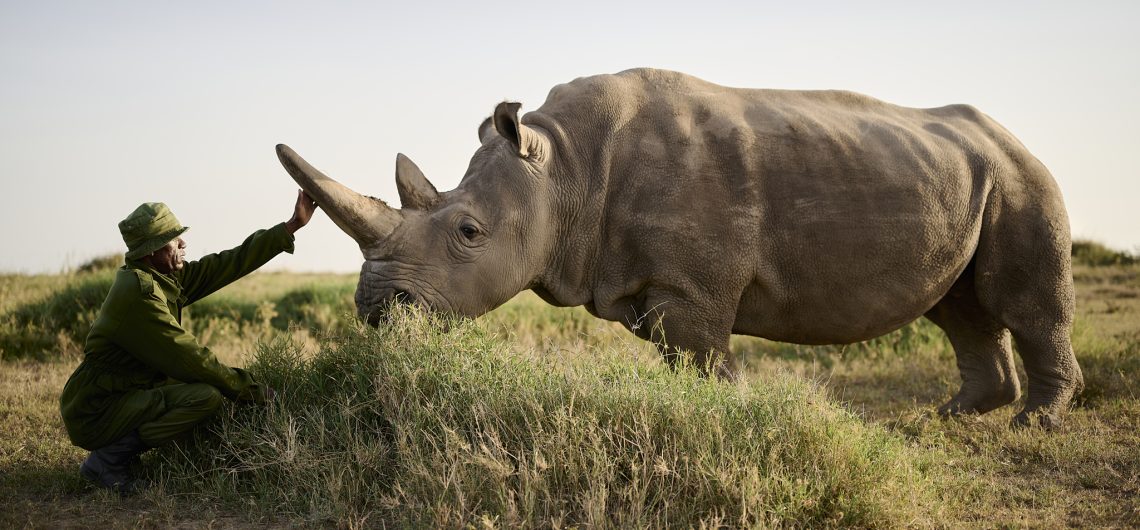
Tourism revenue supports national parks, wildlife monitoring programs, and anti-poaching efforts. These initiatives help protect endangered species such as mountain gorillas, elephants, rhinos, and big cats.
Habitat Protection
Responsible tourism encourages the preservation of forests, wetlands, and savannah ecosystems where wildlife thrives.
Supporting Local Communities
Community-based tourism in Africa allows local people to benefit directly from tourism through employment, cultural experiences, and conservation initiatives.
Sustainable Development
Eco-conscious safari travelers help promote environmentally friendly practices that reduce the negative effects of tourism.
How to Behave on Safari: Safari Etiquette Rules
Understanding how to behave on safari is essential for a safe and enjoyable experience. Following proper safari etiquette rules ensures wildlife remains undisturbed and visitors have meaningful encounters.
1. Respect Wildlife Viewing Guidelines
Wild animals should always be observed from a safe distance. Travelers should:
- Avoid approaching animals too closely
- Never attempt to touch or feed wildlife
- Avoid shouting or making sudden movements
- Allow animals to move freely without interference
Responsible wildlife encounters allow visitors to observe authentic animal behavior.
2. Avoid Disturbing Wildlife
One of the most important aspects of protecting wildlife during safaris is avoiding actions that change animal behavior.
Travelers should:
- Avoid chasing animals for photographs
- Keep voices low during game drives
- Follow instructions from professional guides
- Avoid using flash photography near sensitive wildlife
Ethical wildlife tourism focuses on observation rather than interference.
3. Practice Leave No Trace Safari Principles
Leave no trace safari practices help maintain Africa’s pristine environments.
Visitors should:
- Dispose of waste properly
- Avoid single-use plastics
- Protect vegetation
- Stay on designated tracks
- Avoid removing natural items such as plants or rocks
These simple actions support low-impact safari travel and reduce environmental pressure on fragile ecosystems.
Sustainable Kenya Safaris: Responsible Wildlife Experiences
Kenya offers some of Africa’s most iconic safari experiences, including Kenya Wildlife Safaris, Kenya Birding Safaris, and Kenya Cultural Safaris.
Destinations such as Maasai Mara National Reserve and Amboseli National Park provide opportunities to experience incredible wildlife while practicing responsible tourism.
Responsible Kenya safaris involve:
- Respecting wildlife viewing rules
- Supporting conservation projects
- Staying in sustainable accommodations
- Hiring local guides
- Supporting community initiatives
During the Great Migration, responsible behavior is especially important. Visitors should avoid overcrowding wildlife areas, maintain respectful distances, and allow natural migration patterns to continue without disturbance.
Sustainable Tanzania Safaris and Conservation
Tanzania is home to some of the world’s greatest wildlife destinations, including Serengeti National Park and Ngorongoro Crater. Tanzania Wildlife Safaris and Tanzania Great Migration Safaris provide unforgettable opportunities to witness nature at its most spectacular.
Responsible Tanzania safaris encourage travelers to:
- Follow park regulations
- Avoid off-road driving where prohibited
- Support conservation initiatives
- Reduce carbon footprints
- Respect local cultures
Choosing conservation-focused safaris helps protect Tanzania’s wildlife populations and ensures these ecosystems remain healthy.
Uganda Gorilla Trekking and Responsible Tourism
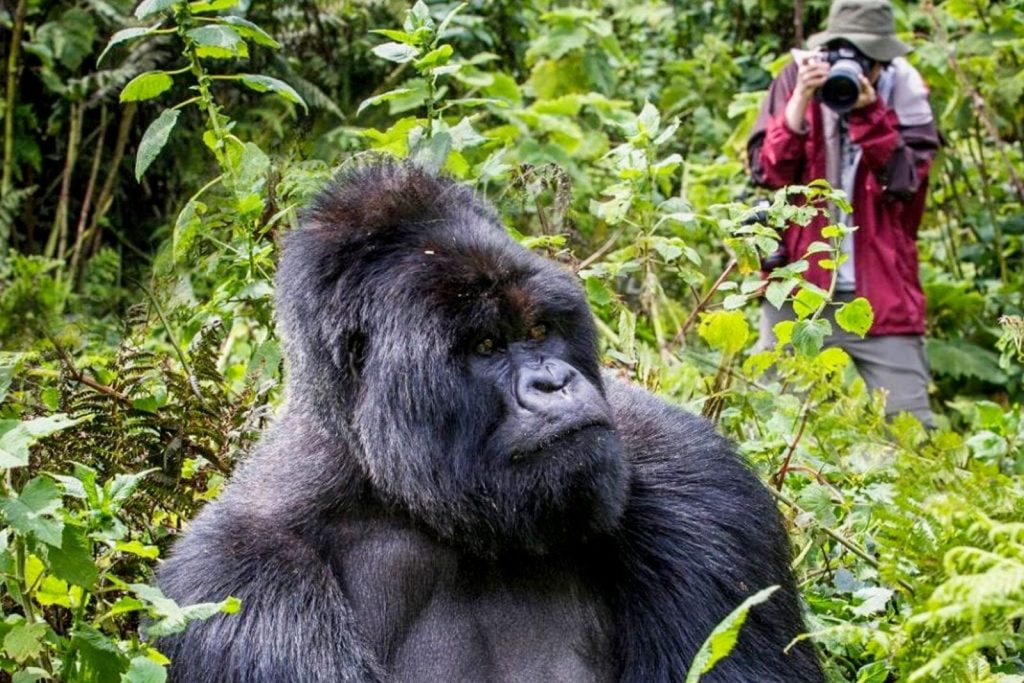
Uganda offers exceptional opportunities for Uganda Gorilla Trekking Safaris, wildlife adventures, and birding experiences. Responsible tourism is especially important when visiting endangered mountain gorillas.
Ethical gorilla trekking practices include:
- Maintaining the required distance from gorillas
- Following ranger instructions
- Avoiding trekking when sick
- Limiting noise during encounters
- Respecting gorilla habitats
Uganda gorilla trekking responsible tourism directly supports gorilla conservation, forest protection, and community development around protected areas.
How Tourists Can Protect Wildlife on Safari
Travelers play an important role in conservation. Here are ways tourists can protect wildlife on safari:
Choose Responsible Tour Operators
Select companies committed to conservation, ethical practices, and community involvement.
Support Conservation Projects
Many safari operators contribute to wildlife protection initiatives and local conservation programs.
Reduce Environmental Impact
Travelers can reduce their impact by:
- Using reusable water bottles
- Choosing eco-friendly lodges
- Minimizing energy consumption
- Reducing waste
Respect Local Communities
Cultural experiences should always be approached with respect. Ask permission before photographing people and support locally owned businesses.
Responsible Travel Tips for Kenya, Tanzania, and Uganda Safaris
For travelers planning multi-country adventures, these responsible travel tips for Kenya, Tanzania, and Uganda safaris can improve the experience:
- Research conservation-focused safari operators
- Respect cultural traditions
- Follow national park regulations
- Support local communities
- Choose wildlife-friendly tourism activities
- Reduce your carbon footprint
- Travel with awareness and respect
Responsible behavior ensures that safari tourism remains beneficial for wildlife and people.
The Role of Responsible Tour Operators
A professional responsible tour operator plays an important role in creating sustainable travel experiences. Companies specializing in East Africa sustainable safaris help travelers enjoy wildlife responsibly while supporting conservation efforts.
A responsible safari company should prioritize:
- Experienced local guides
- Wildlife conservation
- Ethical tourism practices
- Sustainable accommodations
- Community partnerships
- Environmental protection
At Amakula African Safaris, our goal is to create unforgettable journeys while promoting conservation, cultural respect, and responsible travel throughout East Africa.Best Region for Cultural Safaris in Kenya: Top Destinations for Authentic Cultural ExperiencesAbout the East African tourist VisaThe Golden Years of Gorilla Trekking: Best Time for 45+ Clients to See Gorillas.About the East African tourist VisaThe Golden Years of Gorilla Trekking: Best Time for 45+ Clients to See Gorillas.Best Region for Cultural Safaris in Kenya: Top Destinations for Authentic Cultural ExperiencesIs Hiking Affected by Weather on Kenya and Tanzania Safaris?Is Drinking Water Safe in Safari Destinations?Is Birding Good During Rainy Seasons?Is Altitude Sickness a Concern During Tanzania-Kenya Hiking Safaris?